December 2025

Tourism & Culture

Heritage Night Walks Around Badami and Pattadakal

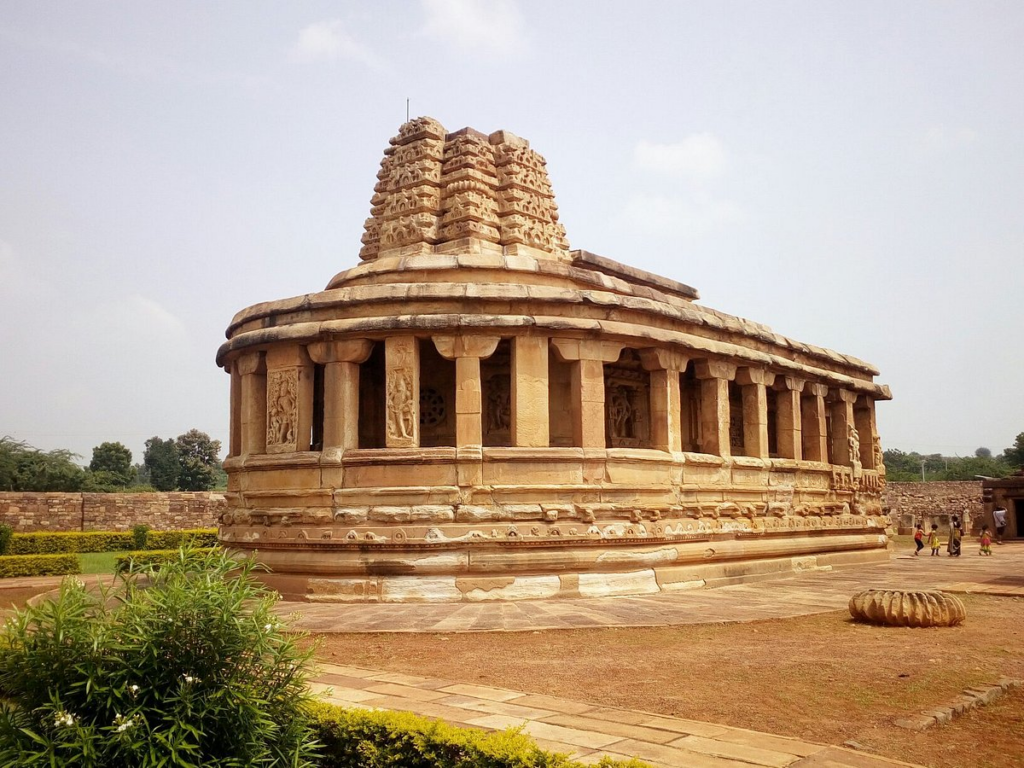
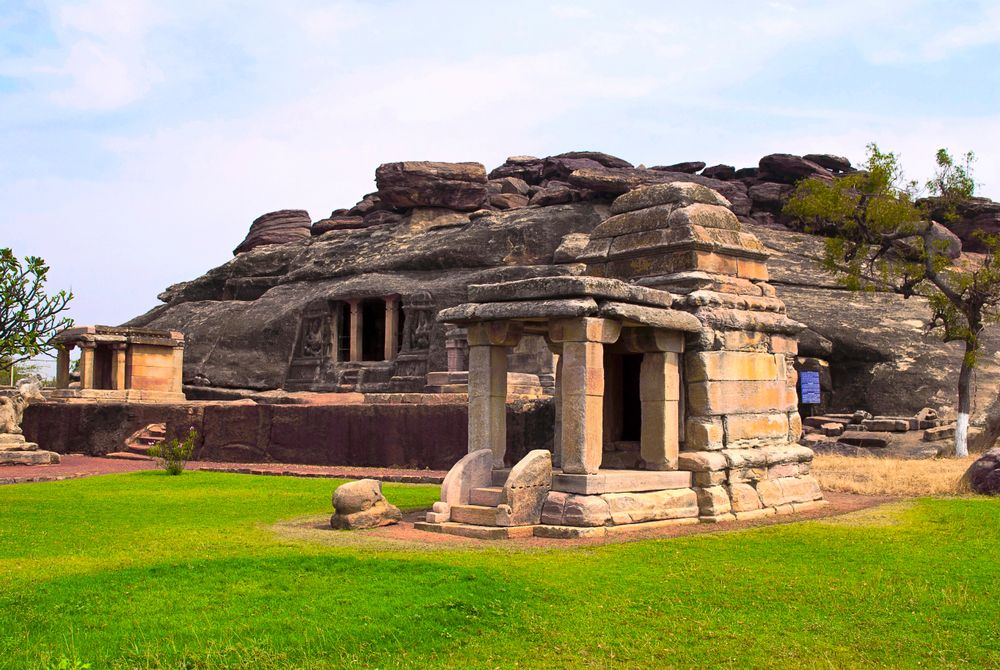
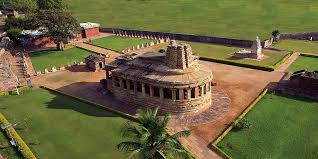
Travel writers and heritage enthusiasts have been encouraging experimental formats such as heritage night walks and guided sunset tours around the Badami–Pattadakal belt, which lies within Bagalkot district. While the Archaeological Survey of India maintains standard visiting hours, tour operators and photography groups design itineraries that start in the late afternoon, cover multiple temple complexes and end with storytelling sessions under the evening sky.​ Badami’s sandstone cliffs and cave temples take on a completely different mood as light changes from golden hour to dusk. Guides often use this time to explain how early Chalukyan kings carved entire cave shrines directly into rock faces and how some of the panels still carry traces of ancient painting. Pattadakal, with its cluster of Dravidian and Nagara‑style temples, is popular among architecture students who join such walks to sketch silhouettes and temple towers in low light.​ Cultural groups have proposed adding classical music or bhajan performances at designated spots during special evenings, so that visitors can experience both the visual and acoustic ambiance of the heritage sites. With proper permissions and crowd management, such heritage‑entertainment events could significantly raise Bagalkot’s profile as a night‑tourism destination while still respecting conservation norms.​

Tourism & Culture

Weekend Boating and Garden Evenings at Almatti Backwaters

Almatti Dam and its surrounding backwaters have quietly turned into one of Bagalkot district’s favourite weekend entertainment spots for families and youngsters. The landscaped gardens near the reservoir, musical fountains and neatly laid walking paths attract visitors from Bagalkot, Vijayapura and even Hubballi, especially during holidays and pleasant winter evenings. Many families combine a temple visit or a heritage trip with a relaxed picnic by the Krishna river, making Almatti a regular feature in local travel plans.​ During peak season, boat operators offer short rides on the backwaters, giving travellers a panoramic view of the dam structure and the surrounding hills. Children enjoy the small parks, toy‑train rides (where available) and open lawns, while elders prefer quiet corners overlooking the water. Photography enthusiasts from the region often visit at sunrise or sunset to capture silhouettes of trees, boats and the dam against changing sky colours.​ Local tourism officials argue that developing more shaded seating, snack counters and signboards could further boost Almatti’s potential as an evening entertainment hub. There have also been suggestions for regular light‑and‑sound shows or weekend cultural performances at the gardens so that tourists staying overnight in Bagalkot district get an additional reason to extend their trips.​

Uncategorized

Monsoon Floods Hit Parts of Bagalkot District

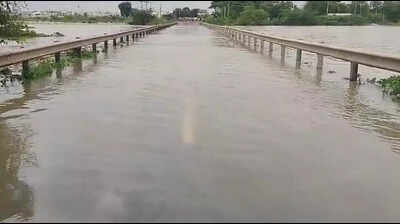
Portions of Bagalkot district, especially low‑lying villages along the Krishna and Ghataprabha rivers, have been severely affected by late‑monsoon floods in 2025. Heavy rain in upstream Maharashtra and neighbouring Karnataka districts led to large releases from reservoirs, causing river levels to rise and submerge roads, minor bridges and agricultural lands in pockets of Bagalkot and Vijayapura.​ Reports describe extensive damage to standing crops such as cotton, onion, sunflower, maize and tur dal, along with partial or full damage to houses in several villages. District‑level teams, including the deputy commissioner and local MLAs, have inspected affected areas, set up relief centres and promised compensation according to state norms. Officials from Krishna Bhagya Jala Nigam and Almatti dam have also monitored inflows and increased regulated outflows as a precaution, while urging people in vulnerable stretches to move to safer locations until water levels recede.​ When you publish this news, you can pair it with images of flooded rural roads, overflowing riverbanks or relief‑camp setups—preferably photos you or local photographers took, or free‑to‑use disaster‑imagery from open‑license sources.

District News

Sugarcane Farmers’ Protest Turns Violent Near Mudhol

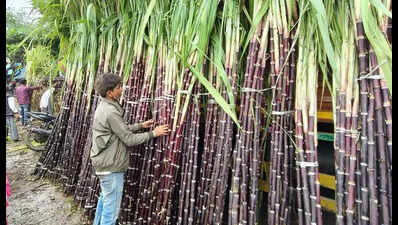
Sugarcane growers from Mudhol and surrounding taluks in Bagalkot district have been staging intense protests over cane pricing and delayed payments from sugar factories. What began as sit‑ins and tractor rallies escalated in mid‑November when a group of agitated farmers allegedly set around 20 sugarcane‑loaded tractors on fire near Mudhol, drawing statewide attention to their demands.​ Farmers say that rising input costs, water expenses and loan burdens have made the current Fair and Remunerative Price (FRP) unsustainable, and they accuse mills of dragging their feet on clearing outstanding dues. They have been pressing the state government for a higher procurement price per tonne, strict timelines for payment, and interest on delayed amounts. Leaders of farmer organisations argue that Bagalkot, along with neighbouring Belagavi and Haveri, is a major sugarcane belt and deserves a better deal in pricing policies.​ Police and district officials have registered cases related to the arson incident and appealed for restraint while continuing talks with farmer representatives and mill owners. The state government has separately launched a new soil‑health and integrated water‑management project for sugarcane‑growing regions including Bagalkot, saying that long‑term solutions must combine fair pricing with sustainable farming practices. For visuals, you can use generic images of sugarcane fields, tractors in farms, or peaceful farmer gatherings, avoiding any specific incident photos unless you have rights to them.​

Tourism & Culture

Heritage Trails: Bagalkot Emerges as a Chalukyan‑Era Tourism Hub

Over the past few years, Bagalkot district has been gaining more attention in travel media as one of Karnataka’s key heritage and weekend‑tourism destinations. The district sits at the heart of the early Chalukyan region and is home to some of India’s most significant temple and cave‑architecture sites, including Badami, Pattadakal and Aihole. Together, these locations offer a dense concentration of rock‑cut shrines, intricately carved pillars, and riverside temple complexes that attract both casual tourists and serious history enthusiasts.​ Badami is known for its dramatic sandstone cliffs and cave temples cut directly into the rock face, featuring sculpted panels of Hindu deities and richly painted ceilings in some chambers. Pattadakal, recognised as a UNESCO World Heritage Site, showcases a cluster of temples that blend northern and southern Indian architectural styles along the banks of the Malaprabha river. Aihole, often described as a “cradle of temple architecture”, contains dozens of experimental and early‑form shrines that show how builders refined designs over time.​ Beyond heritage sites, itineraries now commonly include visits to Almatti Dam and gardens along the Krishna river, where travellers can enjoy viewpoints, boating and landscaped parks. Many guides also recommend exploring local markets for Ilkal sarees, stone carving products and traditional North Karnataka snacks, helping visitors connect with the district’s living culture as well as its ancient monuments. Tourism departments and private operators have begun packaging two‑ and three‑day circuits starting from Hubballi or Bengaluru, positioning Bagalkot as a convenient heritage hub rather than just a stopover on the highway.​ For this article, you can use high‑quality, licence‑cleared photographs of the Badami caves, Pattadakal temple complex, Aihole shrines or Almatti Dam landscape to create a strong visual hook for readers planning their next trip.​

Development & Projects

Bagalkot Gets New ₹25‑Crore Package for Roads and Civic Works

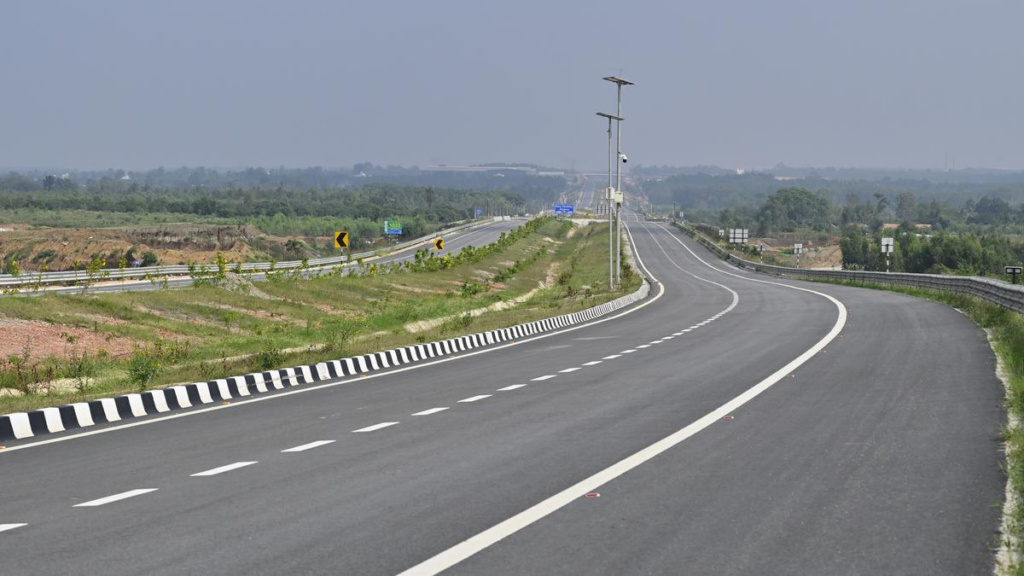
Bagalkot district has recently been sanctioned a fresh package of development works estimated at around ₹25 crore, covering a mix of urban and rural infrastructure projects. Local Kannada reports mention that the funds will be used for laying concrete roads, improving drains, upgrading bus stands and creating basic amenities in several wards of Bagalkot town as well as nearby villages. The projects are part of ongoing efforts to strengthen civic infrastructure and reduce problems such as waterlogging and poor connectivity.​ Karnataka CM Siddaramaiah Public representatives have highlighted that the works will focus on stretches that become heavily damaged during the monsoon, including internal residential roads that see frequent traffic but limited maintenance. In some locations, storm‑water drains and culverts will be widened to allow faster flow of rainwater and prevent flooding near houses and shops. Upgrades around bus stands and market areas are expected to ease congestion and make public spaces safer for pedestrians and commuters.​ Officials have linked these projects to larger plans connected with the Upper Krishna Project and town‑planning schemes overseen by agencies such as the Bagalkot Town Development Authority. They have assured that tenders will be floated quickly and that engineers will monitor quality using standard specifications for materials and road thickness. Citizens and local organisations, however, continue to demand transparency on contractor selection and timely completion, so that the promised improvements are visible on the ground and not just on paper.​ For imagery, you can use photographs of ongoing road‑laying work, concrete mixers and labourers, or a before‑and‑after style shot of a repaired street in Bagalkot to visually support the development theme.​

Education & Health

New Government Medical College and Hospital Sanctioned for Bagalkot

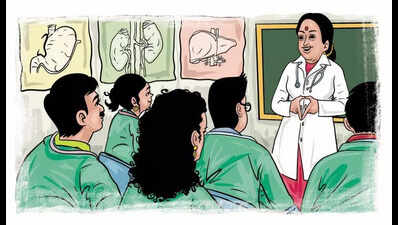
In a major boost for healthcare and higher education, the Karnataka government has announced a new government medical college and attached teaching hospital for Bagalkot district in the 2025–26 state budget. The proposal includes a multi‑hundred‑bed hospital complex and a modern academic block capable of accommodating an MBBS batch along with future postgraduate seats. For a region where patients often travel long distances to cities like Hubballi or Bengaluru, this project is being seen as a transformative step.​ Aspect Bagalkot (RGUHS Constituent) Kolar (PPP Model) Model Fully Government Public-Private Partnership Est. Start Year 2026-27 2027 Initial Seats 100-150 MBBS 100+ MBBS Fee Structure Subsidized (Govt. Quota) Mixed (50-60% Affordable) Key Benefits Integrated RGUHS Expertise Faster Build, Private Tech Challenges Slower Setup Fee/Equity Oversight Challenges and the Road Ahead The planned hospital is expected to include departments such as general medicine, surgery, paediatrics, obstetrics and gynaecology, orthopaedics, and specialised units for oncology and cardiology. Once operational, residents of Bagalkot and neighbouring taluks will be able to access advanced diagnostic facilities, intensive care and emergency treatment within the district itself. The college will also open up new opportunities for local students who aspire to study medicine but face high costs and limited seat availability.​ Officials have indicated that work will begin with land identification, preparation of a detailed project report, and coordination with agencies such as the Bagalkot Town Development Authority and the health engineering wing. While final timelines and intake numbers are yet to be announced, the inclusion of the project in the budget signals firm intent from the state government. Public representatives have called on the authorities to ensure that the project does not get delayed and that recruitment, equipment and hostel facilities keep pace with the college’s growth.​ For the article image, you can use a royalty‑free photo of a modern Indian hospital exterior, medical students in white coats, or a hospital corridor to visually convey the healthcare theme.

District News

Bomb Threat Email Triggers Security Sweep at Bagalkot District Offices

Work at the Bagalkot district office complex was disrupted recently after officials received an email claiming that multiple bombs had been planted inside the premises. Bomb‑disposal squads and sniffer‑dog teams were rushed to the spot and carried out a thorough search of the building and surrounding campus. No explosives were found, but the administration has tightened security and initiated a detailed investigation to identify the source of the threat. Similar emails have reportedly been received in a few other districts of Karnataka, prompting a statewide alert to verify all such messages and avoid panic. Normal work at the Bagalkot district office complex was disrupted recently after officials received an anonymous email claiming that several bombs had been planted inside the building. The message reportedly mentioned that explosive devices had been kept in different sections of the premises, prompting an immediate emergency response. Senior officials quickly evacuated staff and visitors, and access to the campus was temporarily restricted.​ Bomb‑disposal squads, sniffer‑dog units and a full team from the local police were deployed to carry out a room‑by‑room search. Security personnel checked offices, storage areas, parking lots and open spaces around the complex, while the fire and emergency services remained on standby. After several hours of inspection, no explosive devices were found and the email was treated as a hoax, but the incident highlighted the need for better security protocols in key government buildings.​ Authorities have filed a case and initiated a technical investigation to trace the source of the threat mail. According to regional reports, similar emails have been received in other districts of Karnataka over recent months, leading to a statewide alert and standard operating procedures for handling such threats. Officials in Bagalkot have said that additional CCTV coverage, access control at entry points and periodic safety drills will be taken up to ensure that staff and citizens feel secure while visiting the complex.​ For visuals, consider using your own photograph of the district office building, or a generic image of a government complex with police barricades or security checks to represent the event.​

District News

Special School Assault Case Sparks Outrage in Bagalkot

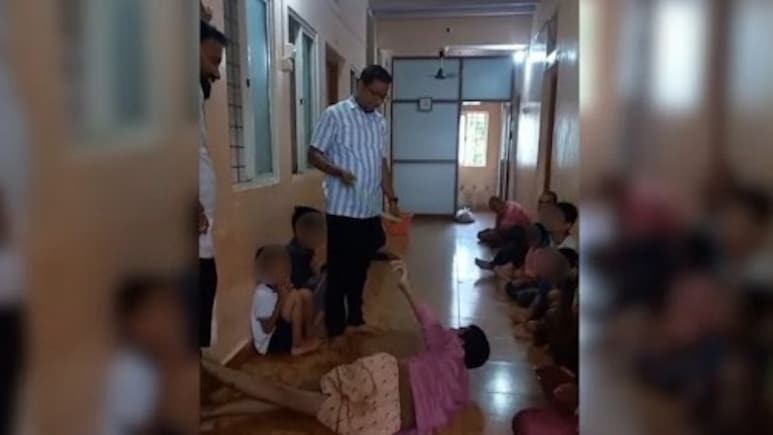
A 16-year-old differently-abled boy was brutally thrashed at a residential school for special needs children in Navagar area in Bagalkot, a city in northern Karnataka, shows a disturbing video in a horrific case of abuse.  The incident took place at the Divyajyoti School for Differently Abled Children in Bagalkot. In the disturbing video, the boy is seen being thrashed with a belt and a plastic pipe.  Despite collapsing to the ground and crying in pain, with his legs pinned down, the attack continued mercilessly. The main accused has been identified as Akshay Indulkar, who allegedly led the assault. His wife, Anandi, is seen in the video throwing chilli powder into the boy’s eyes, adding to the brutality.  Shockingly, the person recording the video can be heard laughing, instead of intervening or trying to stop the attack. The video, reportedly leaked by a former employee of the institution, has triggered massive outrage among parents and the public. The boy’s parents have filed a complaint, and police have confirmed that an FIR has been registered.  Authorities have detained Akshay, his wife, and two others linked to the school for questioning. The incident has raised urgent questions about oversight, safety, and accountability in special schools meant to safeguard and nurture differently-abled children.

Tourism & Culture

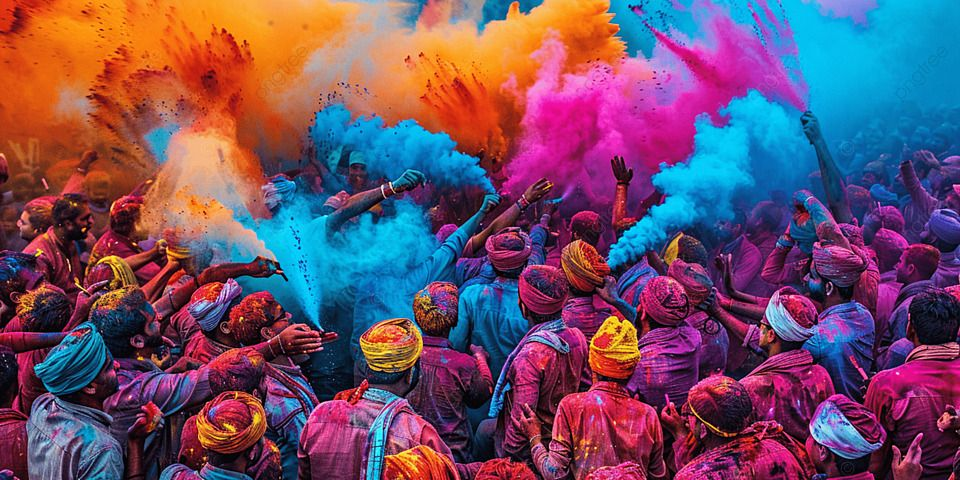
Habba Holi: When Colours Take Over Karnataka

Holi is celebrated across India, but in Karnataka the festival takes on its own flavour of music, food, and street‑side celebrations. Habba Holi is not just about throwing colours; it is about meeting neighbours, visiting relatives, and starting the new season with laughter and good wishes. In many towns, the day begins with traditional pooja at home and ends with friends dancing in streets filled with gulal and water. The Story Behind the Colours Every splash of colour on Holi is tied to age‑old stories from Indian mythology. The most popular legend is that of Prahlada, the child devotee who survived the fire of Holika, symbolising the victory of devotion and truth over ego and cruelty. Another favourite is the playful bond between Krishna and Radha, where the blue‑skinned Krishna coloured Radha’s face and began the joyful tradition of colouring loved ones. These stories turn Holi into more than a party; they make it a reminder that light and love ultimately win. How Karnataka Celebrates Habba Holi In Karnataka, Holi is often a mix of North Indian colour traditions and local “habba” culture. In many districts, people first light a small bonfire the previous night to mark Holika Dahana and pray for prosperity in the coming year. The next morning starts quietly with oil bath, simple puja, and blessings from elders before the real fun begins. By mid‑morning, streets are filled with groups carrying plates of gulal, buckets of coloured water, and speakers playing film songs as well as folk beats. Children target friends with pichkaris, while elders gently apply tilak‑style colour on each other’s foreheads. In some neighbourhoods, apartment communities or local associations arrange common celebrations with DJ, game stalls, and food counters so everyone can play in a safe, organised environment. Traditional Food and Sweets of Holi No festival blog is complete without talking about food, and Habba Holi is a feast for anyone who loves home cooking. While every household has its own recipes, some dishes repeatedly appear on Holi menus. Sakkare holige or obbattu, with its sweet dal or coconut filling, is a festive staple, often served with generous ghee on top. Alongside it, people prepare chitranna, kosambari salads, and crunchy snacks like kodubale and chakli for guests who keep dropping in all day. In many homes inspired by North Indian flavours, you will also find gujiya, thandai, dahi bhalla, and chole‑puri making an appearance on the table. The idea is very simple: after playing with colours under the hot sun, everyone gathers, cleans up, and shares a hearty meal together. Food becomes another way of saying “thank you for coming” and “let us meet again next year”. Music, Dance and Street Culture Habba Holi is one of those days when even the shyest people feel like dancing. Portable speakers, dhol beats, and popular film remixes turn street corners into mini dance floors. Youngsters often plan matching white outfits so that the colours show more vividly in photos and videos. Some areas organise themed Holi events with live bands, folk performances, or DJ nights that continue well into the evening once everyone has washed off the colours. In many neighbourhoods, local youth clubs also use Holi as a chance to host small competitions: best dance group, best rangoli, or even eco‑friendly costume challenges. This brings a sense of friendly competition and community bonding, especially in smaller towns and new urban layouts where people are still getting to know each other. Eco‑Friendly and Safe Celebrations Modern celebrations are also becoming more conscious about safety and the environment. Many families actively choose herbal or natural colours made from flowers, turmeric, and other plant‑based ingredients to avoid skin and eye irritation. Communities are beginning to avoid water wastage by restricting water games to certain hours or using dry colours for most of the day. Safety is another important part of Habba Holi. People are encouraged to respect consent—no forcing colour on strangers, no pranks that make others uncomfortable, and no loud music late into the night. Parents remind children to protect their eyes, stay away from traffic, and always play in groups. This keeps the festival joyful without causing trouble for those who are not participating. Holi in Apartments and Gated Communities With more people living in apartments and gated layouts, Habba Holi has found a new avatar. Resident associations often coordinate a common celebration in the central courtyard or clubhouse so that everyone can play together. Coloured water pools, selfie corners, and music systems are arranged in advance. Volunteers manage entry, colours, and clean‑up so that older residents and families feel comfortable joining. For children, apartment Holi is one of the most memorable days of the year. They wake up early, fill up pichkaris, and run around with friends from different floors, languages, and backgrounds. That shared playtime builds a sense of belonging and makes the building feel like a true community rather than just a set of flats. Planning Your Own Habba Holi If you are planning to host a Habba Holi celebration this year, a little preparation can make the day smoother and more enjoyable for everyone. With these basics in place, you can focus on enjoying the festival instead of worrying about last‑minute chaos. Why Habba Holi Still Matters In an age of busy schedules and online connections, Habba Holi acts as a gentle reset button for relationships. The simple act of applying colour on someone’s face breaks barriers of age, profession, and background. People who barely meet throughout the year end up laughing together, taking group photos, and promising to stay in touch. Holi may be a festival of colours, but at its heart it is a celebration of forgiveness, friendship, and fresh beginnings. When the streets of Karnataka glow with pink, yellow, and green, it is a reminder that life is meant to be shared with others—loudly, joyfully, and without hesitation. You can trim sections, add district‑specific details, or insert local event info (timings, venues, sponsors) to match your Bagalkot site or