2025

Development & Projects

Tender opportunities for pipeline projects in Bagalkot District

Tender opportunities for pipeline projects in Bagalkot District, Karnataka, focus on irrigation (borewell, lift schemes) and water supply, often found on the state’s e-procurement portal (kppp.karnataka.gov.in), with recent examples including works in Rabakavi Banahatti for Sasalatti Lift Irrigation (Phase 2) and supply of PVC pipes for drainage, requiring registration and bidding via official platforms like Tender Detail.  Where to Find Tenders: Examples of Recent/Relevant Pipeline Tenders: Key Steps for Bidders:

Development & Projects

Irrigation and drip-water projects in Bagalkot

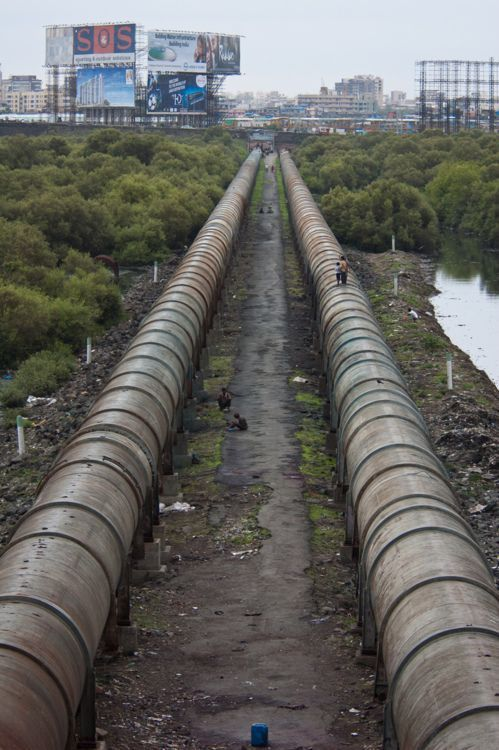
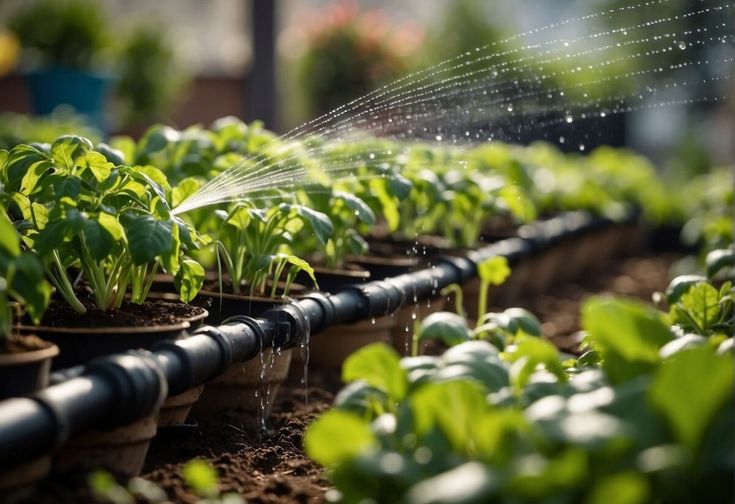
The Bagalkot Drip Irrigation Project in Karnataka uses scarce water most efficiently. It is Asia’s largest community-based automated drip irrigation project initiated by the Karnataka government to benefit farmers in the drought-prone region of Bagalkot.   The Krishna Bhagya Jala Nigam Ltd awarded the project to MEIL, and the company executed this project along with Netafim, the drip irrigation company. The company successfully completed this project in 2017. The KBJNL allocated 1.34tmc ft of water from the Narayanpura reservoir on River Krishna near Marol village. The company built a pump house, control rooms, a surge tank, and valve chambers and laid a 2,127.46-km pipeline network. The State government aims at irrigating 28,911 acres in 22 villages. Of this, it has laid 48.54 km of GRP pipes for bulk water supply; 128.89 km of PVC pipes for the main feeder pipeline; and 1,950 km of PVC pipes for mains and sub-mains.

Education & Health

New Govt Medical Hospital with 500‑Beds

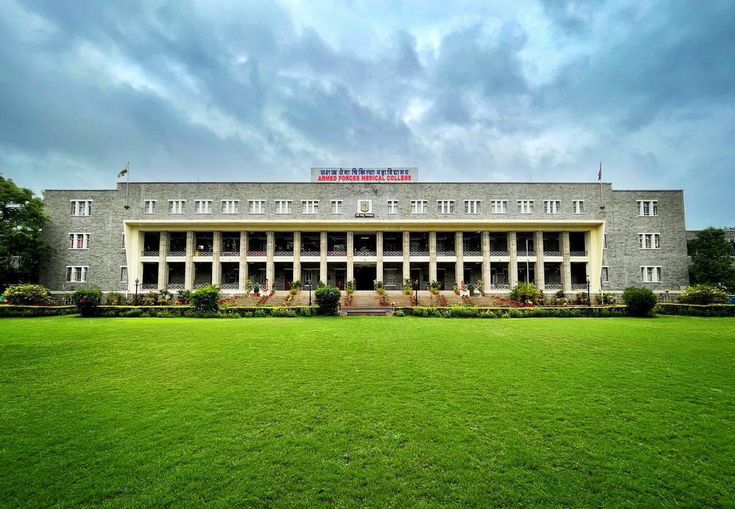
Karnataka’s 2025 health budget formally announced that Rajiv Gandhi University of Health Sciences (RGUHS) will set up a constituent government medical college in Bagalkot, supported by a new 500‑plus‑bed teaching hospital. The aim is to boost MBBS seats for North Karnataka and reduce the gap in specialist care for districts that currently depend on Hubballi, Belagavi or Bengaluru for advanced treatment.​ Following the budget, the state medical education department asked RGUHS to prepare a detailed project report (DPR) and begin land identification around Navanagar. Around 42 acres of land leased earlier to the Bagalkot Horticulture University in Navanagar sectors 1 and 13 are being reclaimed and reserved for the new campus so that academic blocks, hostels and the teaching hospital can be built as a single integrated complex. A senior official quoted in local reports said the government has already deposited ₹1,500 crore in the name of RGUHS, of which about ₹500 crore is earmarked specifically for the Bagalkot government medical college.​ Tender Issued for Construction To move from planning into execution, the Department of Health and Family Welfare has now issued a construction tender for the Bagalkote government medical college project. The tender covers academic buildings as well as boys’ and girls’ hostels, teaching‑staff quarters, internal roads, water‑supply systems and other support infrastructure, with work items ranging from mechanical excavation and land‑levelling to concrete foundations, superstructure, road works and building finishes. The tender documents state that the project’s goal is to “enhance medical education infrastructure in the Bagalkote region and improve accommodation and amenities for students and faculty,” and set a bid‑submission deadline of 6 December 2025, signalling that ground work is expected to begin soon after.​ Health‑Department Hiring and Hospital Expansion In parallel, the District Health and Family Welfare Society (DHFWS) Bagalkot released a recruitment notification in June 2025 for 131 posts including Medical Officers, Staff Nurses and several paramedical roles to strengthen services under the National Health Mission and district hospitals. The online application window ran from 3 to 17 June 2025, and the notification emphasised filling gaps in primary and secondary care facilities across the district. At the state level, the 2025 health budget also talks about building new high‑tech hospitals and modular operation theatres in various taluks, with Bagalkot flagged as one of the districts getting a new government medical college plus additional hospital capacity under the broader upgrade drive.

Education & Health

Bagalkot’s Long‑Awaited Government Medical College Finally Moves from Demand to Reality

For more than a decade, residents of Bagalkot have demanded their own government medical college so that local students can pursue MBBS without leaving North Karnataka and patients can access specialist hospital care inside the district. In 2025 that demand began turning into reality, with both the state budget and follow‑up actions clearly listing a new constituent medical college for Bagalkot under the Rajiv Gandhi University of Health Sciences (RGUHS). The project is planned in a public‑sector or PPP format, with a 500‑plus bed teaching hospital attached, and is part of a trio of new government‑linked colleges along with Kolar and Puttur.​ Budget analyses describe the Bagalkot institution as a “flagship” addition designed to correct regional imbalance in medical education seats across Karnataka. The college is expected to start with about 100–150 MBBS seats, with long‑term plans to scale up to 200 seats once infrastructure and faculty strength allow for it; these seats will be offered at subsidised government‑college fee levels, making them far more affordable than private options. RGUHS officials note that the new campus will be able to host not only MBBS but, in later phases, programmes in nursing, pharmacy and allied health sciences, turning Bagalkot into a regional hub for medical education and paramedical training.​ On the healthcare side, the proposed 500‑bed teaching hospital is expected to bring departments such as general medicine, surgery, paediatrics, obstetrics, orthopaedics, oncology and cardiology much closer to rural populations that currently travel to Hubballi, Belagavi or Bengaluru for advanced treatment. District‑level reports highlight that Bagalkot has historically lagged behind the state average in doctor‑to‑population ratio and access to tertiary care, and the new hospital is projected to handle complex cases like road‑accident trauma, renal disease and cancer treatments within the district itself. Local leaders and health officials have called the project a “game changer”, arguing that it will simultaneously generate new jobs for doctors, nurses and support staff and create indirect employment in areas like diagnostics, hostels and nearby commercial services.​ The process has already moved beyond an announcement stage: land is being identified around Bagalkot city for the campus, and the government has reportedly started the formal procedure of seeking approval from the National Medical Commission (NMC) for the new college. Officials caution that land acquisition, construction and faculty recruitment may take two to three years, so realistic timelines place the first batch around the 2026–27 academic year, provided that NMC inspections and funding releases stay on track. Civil‑society groups in Bagalkot are now pressing for transparent site selection, adequate budget allocation and fair reservation for local students under the state‑quota rules to ensure that the long‑awaited institution truly serves the district.​

Education & Health

Karnataka Budget 2024: Big Talk on School Upgrades, But Gaps Remain on Ground

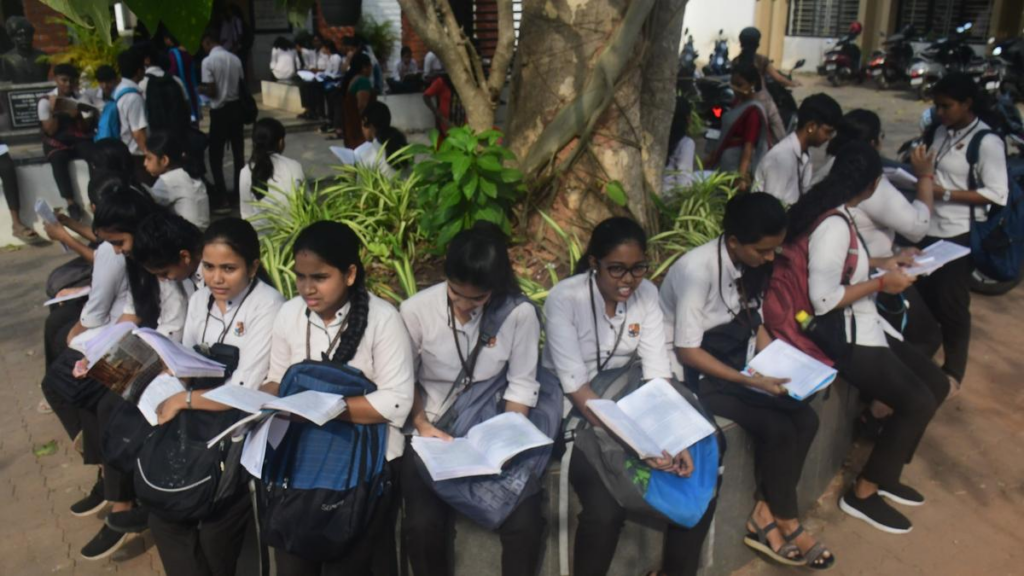
In the 2024‑25 state budget, Karnataka earmarked around ₹44,422 crore for the education department, roughly 12% of the total state expenditure, promising a major push for government schools and pre‑university colleges. Chief Minister Siddaramaiah announced about ₹850 crore specifically for improving infrastructure in schools and PU colleges, including new classrooms, building repairs and upgradation of rural and minority institutions. The budget also talked about free electricity and water for all government schools and PU colleges, more funds for science and computer labs, and expansion of Karnataka Public Schools that offer classes from pre‑primary to higher grades on a single campus.​ Despite the big numbers, follow‑up reports in early 2025 pointed out that many of these promises were either delayed or implemented only partially. Data from the education department showed that just over 5,300 schools – about 10.7% of the total – actually had internet access, the same number as before the upgrade announcement, raising questions about utilisation of the lab and connectivity grants. Teachers and educationists quoted in these reviews argued that while infrastructure is important, the more urgent need is systematic teacher recruitment, training and rational posting, because a large share of the budget still goes only to salaries without significantly improving classroom quality or learning levels.

Development & Projects

Road Upgrade Connecting Belagavi and Bagalkot

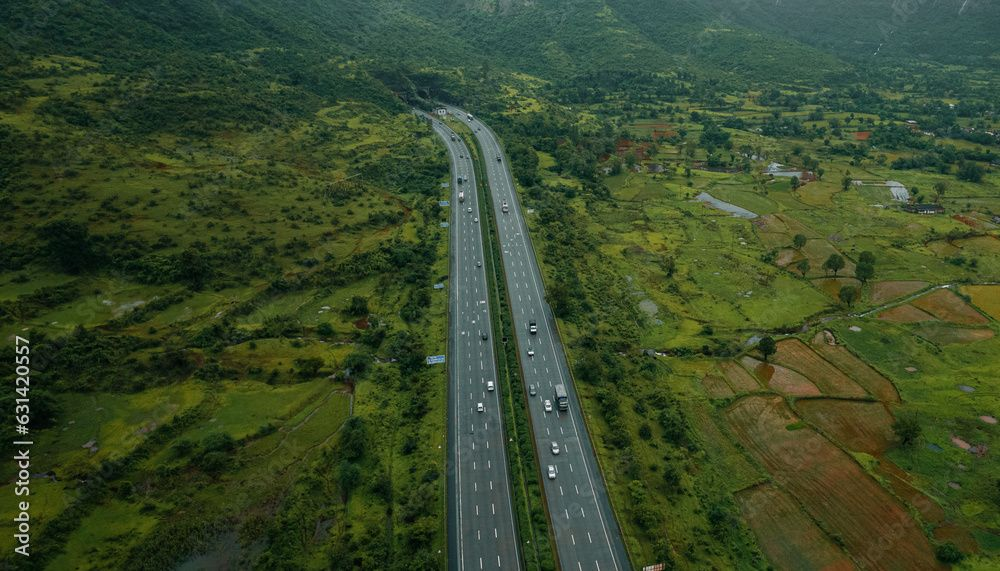
The state government has approved a ₹300‑crore upgrade of the 65‑km Arabavi–Lokapur Road, which connects Belagavi and Bagalkot districts. The stretch, which passes through locations such as Kulagod and Yadawad, will be developed into a two‑lane State Highway with improved shoulders, better by‑lanes and bypasses around busy towns.​ Local representatives point out that this is one of the shortest routes between the two districts and that upgrading it is expected to cut travel time by nearly half. The Public Works Department has indicated that work will start soon, with a relatively tight completion window, and villagers along the alignment are hopeful that the widened highway will improve connectivity and support local businesses.

Development & Projects

Upper Krishna Project Phase‑III and Almatti Dam

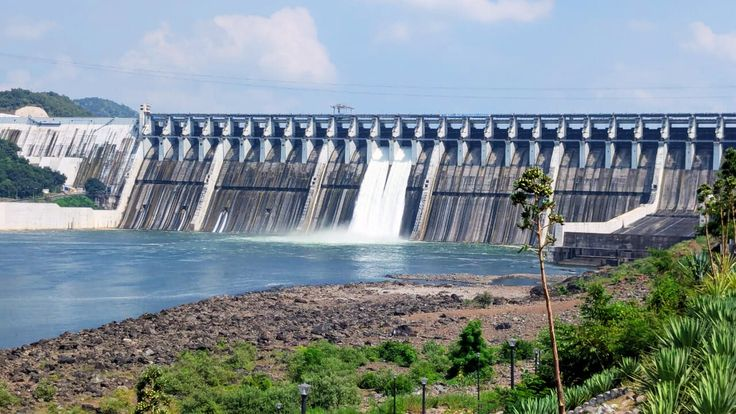
The Karnataka cabinet has approved implementation of Upper Krishna Project (UKP) Phase‑III, which directly centres on Bagalkot district. The project involves raising the height of the Almatti dam from about 519.6 metres to 524.256 metres, increasing storage by roughly 100 TMC and enabling irrigation over nearly 5.9 lakh hectares across the command area.​ To achieve this, the government will acquire around 1.33 lakh acres of land, including about 75,563 acres that will be submerged, 51,837 acres for canals and 6,469 acres for rehabilitation layouts. In Bagalkot, at least 20 villages and 11 wards of Bagalkot town are expected to be affected, and the state has announced enhanced compensation and a commitment to spend roughly ₹18,000 crore annually over four years on land acquisition and rehabilitation under UKP‑III.

Tourism & Culture

Ranna Utsava and Revival of Kannada Literary Culture in Mudhol

Ranna Utsava, held in and around Mudhol in Bagalkot district, continues to be one of the most important cultural events celebrating classical Kannada literature. The festival honours Ranna, one of the “Ratnatraya” (three gems) of old Kannada poetry, who is historically linked with the region. During the utsava, literary sessions, poetry readings and panel discussions bring together scholars, students and readers from across Karnataka.​ Evenings at the event are reserved for cultural programmes that blend traditional and contemporary entertainment. Audiences enjoy classical music concerts, folk dances, drama performances based on Ranna’s works and modern interpretations that use light, sound and projection to retell epic stories. Local food stalls showcasing North‑Karnataka snacks and sweets add to the fair‑like atmosphere, turning the festival into a family outing as much as a literary gathering.​ Cultural activists see Ranna Utsava as a crucial platform for younger generations of Bagalkot and neighbouring districts to reconnect with Kannada heritage. Schools and colleges often send teams to participate in elocution, quiz and storytelling competitions based on classical texts, ensuring that the festival is not limited to scholars alone. With proper promotion and better transport links, event organisers believe the utsava could draw more out‑of‑state visitors and strengthen cultural tourism in Bagalkot.