
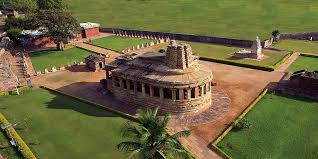
Over the past few years, Bagalkot district has been gaining more attention in travel media as one of Karnataka’s key heritage and weekend‑tourism destinations. The district sits at the heart of the early Chalukyan region and is home to some of India’s most significant temple and cave‑architecture sites, including Badami, Pattadakal and Aihole. Together, these locations offer a dense concentration of rock‑cut shrines, intricately carved pillars, and riverside temple complexes that attract both casual tourists and serious history enthusiasts.
Badami is known for its dramatic sandstone cliffs and cave temples cut directly into the rock face, featuring sculpted panels of Hindu deities and richly painted ceilings in some chambers. Pattadakal, recognised as a UNESCO World Heritage Site, showcases a cluster of temples that blend northern and southern Indian architectural styles along the banks of the Malaprabha river. Aihole, often described as a “cradle of temple architecture”, contains dozens of experimental and early‑form shrines that show how builders refined designs over time.
Beyond heritage sites, itineraries now commonly include visits to Almatti Dam and gardens along the Krishna river, where travellers can enjoy viewpoints, boating and landscaped parks. Many guides also recommend exploring local markets for Ilkal sarees, stone carving products and traditional North Karnataka snacks, helping visitors connect with the district’s living culture as well as its ancient monuments. Tourism departments and private operators have begun packaging two‑ and three‑day circuits starting from Hubballi or Bengaluru, positioning Bagalkot as a convenient heritage hub rather than just a stopover on the highway.
For this article, you can use high‑quality, licence‑cleared photographs of the Badami caves, Pattadakal temple complex, Aihole shrines or Almatti Dam landscape to create a strong visual hook for readers planning their next trip.